The complete 2026 guide
Buying a Condo in Toronto

What You Need to Know Before Buying
Everything you need to know — costs, risks, neighbourhoods, market timing, and what most buyers get wrong.
Overview
A complete, structured guide to buying a condo in Toronto.
How Much You Need
Down payment, qualification, and real closing costs.
Risks & Mistakes to Avoid
Status certificate red flags and costly buyer errors.
Neighbourhood Selection
How to choose the right Toronto condo location.
The Buying Process
From mortgage pre-approval to closing day.
Market Timing & Strategy
Interest rates, inventory, and buying position.
Frequently Asked Questions
A list of the most common questions we get.
Key Takeaways
Buying a condo in Toronto involves more than choosing a property.
Overview
Buying a condo in Toronto is different from buying freehold property in most other markets. Pricing, financing rules, condo fees, status certificates, neighbourhood dynamics, and market timing all play a role in whether your purchase becomes a smart long-term asset — or an expensive mistake.
In Toronto, down payment requirements follow federal guidelines:
5% on the first $500,000, 10% on the portion between $500,000 and $1.5 million, and 20% on the entire purchase if it's above $1.5 million. But the real cost of buying goes beyond the deposit. Buyers must account for Toronto land transfer tax, legal fees, closing adjustments, and ongoing condominium fees.
Risk management is equally important. Reviewing the status certificate, understanding the building’s financial health, and evaluating past sale trends can significantly impact long-term value. Not all condo buildings perform the same — and neighbourhood selection can affect appreciation, rental demand, and resale liquidity.
Market timing also matters. Interest rates, inventory levels, and buyer competition influence negotiating power and pricing strategy. The right approach is rarely about waiting for headlines — it’s about understanding your position and executing strategically.
This guide outlines what you need to know before buying a condo in Toronto, from financial preparation to neighbourhood selection and closing strategy.

How Much You Need
Buying a condo in Toronto requires more than just a deposit. Understanding down payment rules, mortgage qualification, closing costs, and ongoing carrying expenses is essential before you start viewing properties.Down Payment Requirements in Toronto
In Canada, minimum down payment rules are set federally and apply to all residential purchases in Ontario, including Toronto condos.
The required minimum depends entirely on the purchase price.
For properties up to $1.5 million:
- 5% on the first $500,000
- 10% on the portion between $500,000 and $1.5 million
For properties over $1.5 million:
- 20% minimum down payment is mandatory on the entire purchase price

This is critical:
If a property is priced at $1,500,001, the buyer must provide at least 20% of the full amount. Insured mortgages are not available for purchases above $1.5 million.
Insured vs Conventional Mortgages
If your down payment is less than 20%, your mortgage must be insured through CMHC or another approved insurer.
Mortgage insurance:
- Protects the lender
- Is added to your mortgage balance
- Increases total borrowing cost
Once you reach 20% down, the mortgage is considered conventional and does not require insurance.
Strategic Consideration
While minimum down payment rules define eligibility, many buyers choose to put more than the minimum to:
- Reduce monthly payments
- Improve qualification ratios
- Lower interest rate pricing
- Avoid mortgage insurance premiums
Understanding the structure early allows buyers to plan capital allocation strategically rather than reactively.
Down Payment Examples
Example 1 — $600,000 Condo
- 5% of first $500,000 = $25,000
- 10% of remaining $100,000 = $10,000
Minimum down payment = $35,000
Example 2 — $800,000 Condo
- 5% of first $500,000 = $25,000
- 10% of remaining $300,000 = $30,000
Minimum down payment = $55,000

Example 3 — $1,200,000 Condo
- 5% of first $500,000 = $25,000
- 10% of remaining $700,000 = $70,000
Minimum down payment = $95,000
Example 4 — $1,499,999 Condo
- 5% of the first $500,000 = $25,000
- Remaining amount: $1,499,999 − $500,000 = $999,999
- 10% of $999,999 = $99,999.90
Minimum down payment = $124,999.90
Example 5 — $1,500,000 Condo
Because the purchase price is $1.5 million or more, the minimum down payment becomes:
- 20% of $1,500,000 = $300,000
Once the purchase price reaches $1,500,000, insured mortgage options are no longer available, and the tiered 5% / 10% structure no longer applies.
The minimum required down payment at $1,500,000 is therefore $300,000.
Income & Mortgage Qualification
Down payment is only one part of qualifying to buy a condo in Toronto. Lenders evaluate your ability to carry the mortgage using federally regulated underwriting guidelines.
Two core ratios determine approval.
Gross Debt Service (GDS)
GDS measures how much of your gross monthly income is required to cover housing costs.
Housing costs include:
- Mortgage payment
- Property taxes
- Heating
- 50% of condo maintenance fees
Most lenders require your GDS ratio to remain at or below 39% of gross monthly income.
Total Debt Service (TDS)
TDS measures your total debt obligations relative to income.
This includes:
- All housing costs
- Car loans
- Student loans
- Credit card balances
- Lines of credit
- Any other recurring debt payments
Most lenders require your TDS ratio to remain at or below 44% of gross monthly income.
The Mortgage Stress Test
Even if your contract rate is lower, you must qualify at the higher of:
- The contract mortgage rate + 2%, or
- The Bank of Canada’s benchmark qualifying rate
This means buyers must demonstrate they can afford payments at a higher rate than they may actually pay.
This protects lenders against future rate increases but reduces maximum borrowing capacity.
Credit Score Requirements
While requirements vary by lender, buyers typically need:
- 680+ credit score for strongest approvals and best rates
- 650–679 may still qualify with some lenders
- Below 650 significantly limits options
Stable employment history and low revolving debt materially improve approval strength.
Income Example: $800,000 Condo
Assume:
- Purchase price: $800,000
- Minimum down payment: $55,000
- Mortgage: $745,000
At current typical interest rate ranges, total housing cost (mortgage + taxes + condo fees) could reasonably fall between $4,500–$5,500 per month, depending on rate and fees.
To remain within a 39% GDS ratio:
A buyer may require approximately $140,000–$170,000 in gross annual household income, depending on debt levels and condo fees.
This is illustrative only — exact qualification depends on full financial profile.

Closing Costs in Toronto
In addition to your down payment, buyers in Toronto must budget for closing costs. These are paid on closing day and can represent a significant upfront expense if not planned properly.
1. Ontario Land Transfer Tax (Provincial)
Ontario charges land transfer tax on a tiered system:
- 0.5% on the first $55,000
- 1.0% on $55,000–$250,000
- 1.5% on $250,000–$400,000
- 2.0% on $400,000–$2,000,000
- 2.5% on the portion above $2,000,000 (for residential properties with one or two single-family residences)
This tax is calculated on the full purchase price.
2. Toronto Land Transfer Tax (Municipal)
Buyers within the City of Toronto pay a second land transfer tax at the municipal level. The rate structure mirrors the provincial system:
- 0.5% on the first $55,000
- 1.0% on $55,000–$250,000
- 1.5% on $250,000–$400,000
- 2.0% on $400,000–$2,000,000
- 2.5% on the portion above $2,000,000 (for residential properties with one or two single-family residences)
This effectively means Toronto buyers pay double land transfer tax compared to buyers outside the city.
Land Transfer Tax Example
On an $800,000 condo purchase in Toronto:
- Provincial land transfer tax ≈ $12,475
- Municipal land transfer tax ≈ $12,475
Total land transfer tax ≈ $24,950
(Exact figures depend on calculation breakdown and rebate eligibility.)
First-Time Buyer Rebates
Eligible first-time buyers may receive:
- Up to $4,000 rebate on the Ontario land transfer tax
- Up to $4,475 rebate on the Toronto land transfer tax
This can significantly reduce upfront cost for qualifying buyers.
3. Legal Fees & Disbursements
Buyers should budget approximately:
$1,500–$3,000
This typically includes:
- Title search
- Registration fees
- Document preparation
- Lawyer’s professional fees
Complex transactions (e.g., pre-construction assignments) may cost more.
4. Title Insurance
Usually ranges from:
$300–$600
Title insurance protects against issues such as title fraud, survey discrepancies, or registration errors.
5. Adjustments
Adjustments reimburse the seller for prepaid expenses such as:
- Property taxes
- Condo maintenance fees
These vary depending on timing within the billing cycle.

Total Closing Cost Estimate
As a general guideline, Toronto condo buyers should budget approximately:
2%–5% of the purchase price
This varies based on:
- Purchase price
- First-time buyer status
- Lawyer selection
- Adjustment amounts
On an $800,000 condo, total closing costs (including land transfer taxes) can reasonably range from approximately $20,000 to $35,000, depending on eligibility and transaction specifics.
Proper financial preparation prevents last-minute stress and ensures a smooth closing.
Ongoing Costs of Condo Ownership
Buying the condo is only the beginning. Long-term affordability depends on understanding the full monthly carrying cost — not just the mortgage payment.
Condo ownership in Toronto includes four primary recurring expenses.
Mortgage Payment
Your mortgage payment will depend on:
- Purchase price
- Down payment amount
- Interest rate
- Amortization period
Even small changes in interest rates materially affect monthly cost. Buyers should model payments conservatively rather than relying on best-case scenarios.
Property Taxes
Toronto property taxes are relatively low compared to many Ontario municipalities, but they still represent a fixed monthly expense.
Taxes are calculated based on the city’s mill rate applied to the property’s assessed value. For most condos, this typically falls in the range of several thousand dollars per year, depending on unit size and assessed value.
Property taxes are often paid monthly as part of your mortgage, though some owners pay directly.
Condo Insurance
Owners require personal condominium insurance to cover:
- Contents
- Liability
- Upgrades within the unit
This is separate from the building’s master insurance policy.
Condominium Maintenance Fees
Maintenance fees are one of the most misunderstood aspects of condo ownership.
These fees generally cover:
- Building insurance
- Common area maintenance
- Amenities (gym, concierge, pool, etc.)
- Reserve fund contributions
- Property management
Fees vary widely depending on:
- Building age
- Amenity level
- Unit size
- Reserve fund health
In Toronto, maintenance fees can range from a few hundred dollars per month in newer, smaller buildings to well over $1,000 per month in older or luxury buildings.
Higher fees are not automatically bad — what matters is how well the building is managed and funded.
Insurance costs are typically modest relative to other expenses but should still be factored into monthly budgeting.
Understanding True Monthly Carrying Cost
When evaluating affordability, buyers should consider:
Mortgage + Property Taxes + Condo Fees + Insurance
Focusing only on purchase price can create financial strain later. Proper planning ensures the property supports your lifestyle rather than restricting it.
Risks and Mistakes to Avoid
Toronto’s condo market is sophisticated. Pricing, building quality, management standards, and neighbourhood dynamics vary significantly from one property to another.
Avoiding the following mistakes can materially impact long-term value and resale strength.
Overpaying in Competitive Situations
In active segments of the market, buyers often feel pressure to move quickly. Emotional bidding can lead to overpaying relative to recent comparable sales.
Before submitting an offer, buyers should:
- Review recent sold data, not just listing prices
- Understand days on market trends
- Assess inventory levels in the building and surrounding area
A strong offer is strategic — not reactive.
Ignoring the Status Certificate
The status certificate is one of the most important documents in a condo transaction.
It outlines:
- The condo corporation’s financial health
- Reserve fund balance
- Pending litigation
- Special assessments
- Arrears history
Skipping a thorough review — or waiving the status certificate condition without confidence — can expose buyers to significant financial risk.
A healthy reserve fund and stable management matter more than modern finishes.
Buying the Wrong Building
Not all condo buildings perform equally.
Factors that affect long-term value include:
- Developer reputation
- Construction quality
- Unit layouts
- Investor concentration
- Short-term rental policies
- Maintenance fee trajectory
Two condos in the same neighbourhood can perform very differently over time depending on the building.
Building selection often matters more than unit décor.
Underestimating Maintenance Fees
Low maintenance fees may appear attractive but can signal underfunded reserves in newer buildings.
Conversely, higher fees are not automatically negative if they reflect strong reserve funding and included services.
Buyers should evaluate:
- Fee per square foot
- Historical increases
- Reserve fund studies
Sustainable fee management supports long-term resale value.
Focusing Only on Purchase Price
Many buyers fixate on price per square foot without evaluating:
- Layout efficiency
- Exposure and natural light
- Floor level
- Noise factors
- Future resale audience
A slightly higher purchase price for a stronger unit can outperform a “deal” that is harder to resell.
Liquidity matters.
Misjudging Market Timing
Trying to perfectly time the market often leads to missed opportunities.
Interest rate movements, inventory shifts, and macroeconomic headlines influence sentiment — but individual buying position matters more.
The key question is not “Is this the absolute bottom?”
It is “Does this purchase make sense for my financial position and time horizon?”
Not sure if now is the right time to buy?
Buying a condo in Toronto involves dozens of moving parts — financing, building selection, negotiation strategy, and market timing.
If you want clarity before making decisions, we can walk through your situation and outline a smart plan for moving forward.
Schedule Your Strategy CallNeighbourhood Selection
In Toronto’s condo market, location influences value more than almost any other variable. Price per square foot, rental demand, appreciation potential, and resale liquidity are all shaped by neighbourhood dynamics.
Choosing the right area requires more than preference — it requires alignment with lifestyle and long-term objectives.
Downtown Core vs Midtown vs Emerging Areas

Toronto condo buyers typically choose between three broad location categories:
Downtown Core
Dense, high walkability, strong rental demand, and consistent resale liquidity. Units may be smaller, and price per square foot is often higher. Appeals strongly to young professionals and investors.
Midtown & Established Residential Nodes
Quieter streets, larger layouts, strong school districts, and more owner-occupiers. Typically more stable long-term resale audience.
Emerging Areas
Lower entry price points and higher potential upside, but greater volatility. Infrastructure improvements, transit expansion, and development pipelines influence appreciation.
Understanding your risk tolerance and time horizon determines which category is appropriate.
Lifestyle Fit vs Investment Logic

Some buyers prioritize walkability, nightlife, and proximity to work. Others prioritize long-term appreciation and rental flexibility.
Important questions include:
- Will this area attract buyers five years from now?
- Is rental demand stable?
- Is there heavy new supply coming?
- Are short-term rentals restricted?
Lifestyle alignment matters — but resale audience matters more.
Transit & Infrastructure
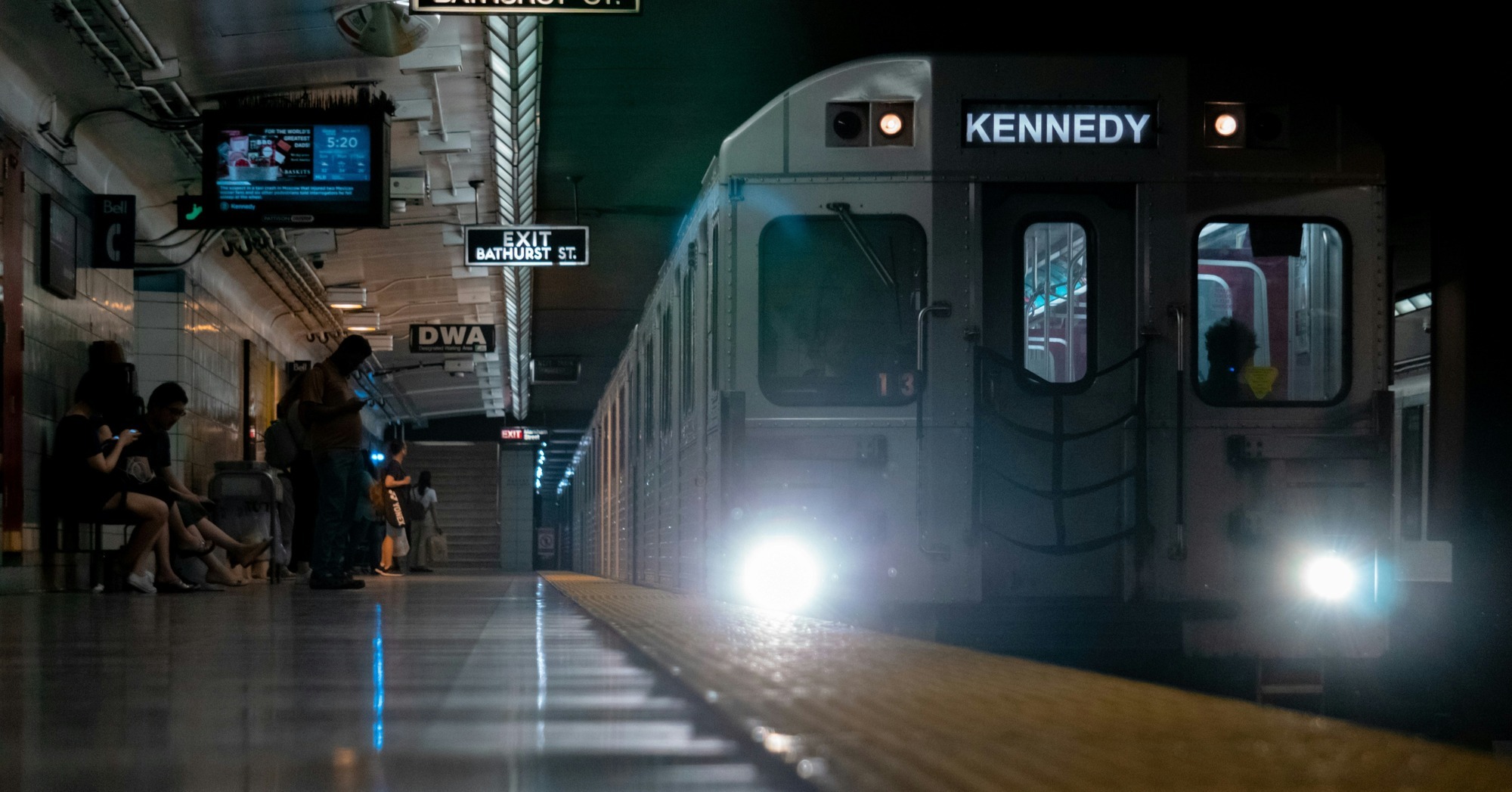
Transit access significantly impacts long-term value.
Properties near major subway lines, GO stations, or planned transit expansion often maintain stronger demand. Buyers should evaluate both current infrastructure and confirmed future projects.
Speculative infrastructure announcements should not drive purchase decisions unless funding is confirmed.
Supply & Development Pipeline
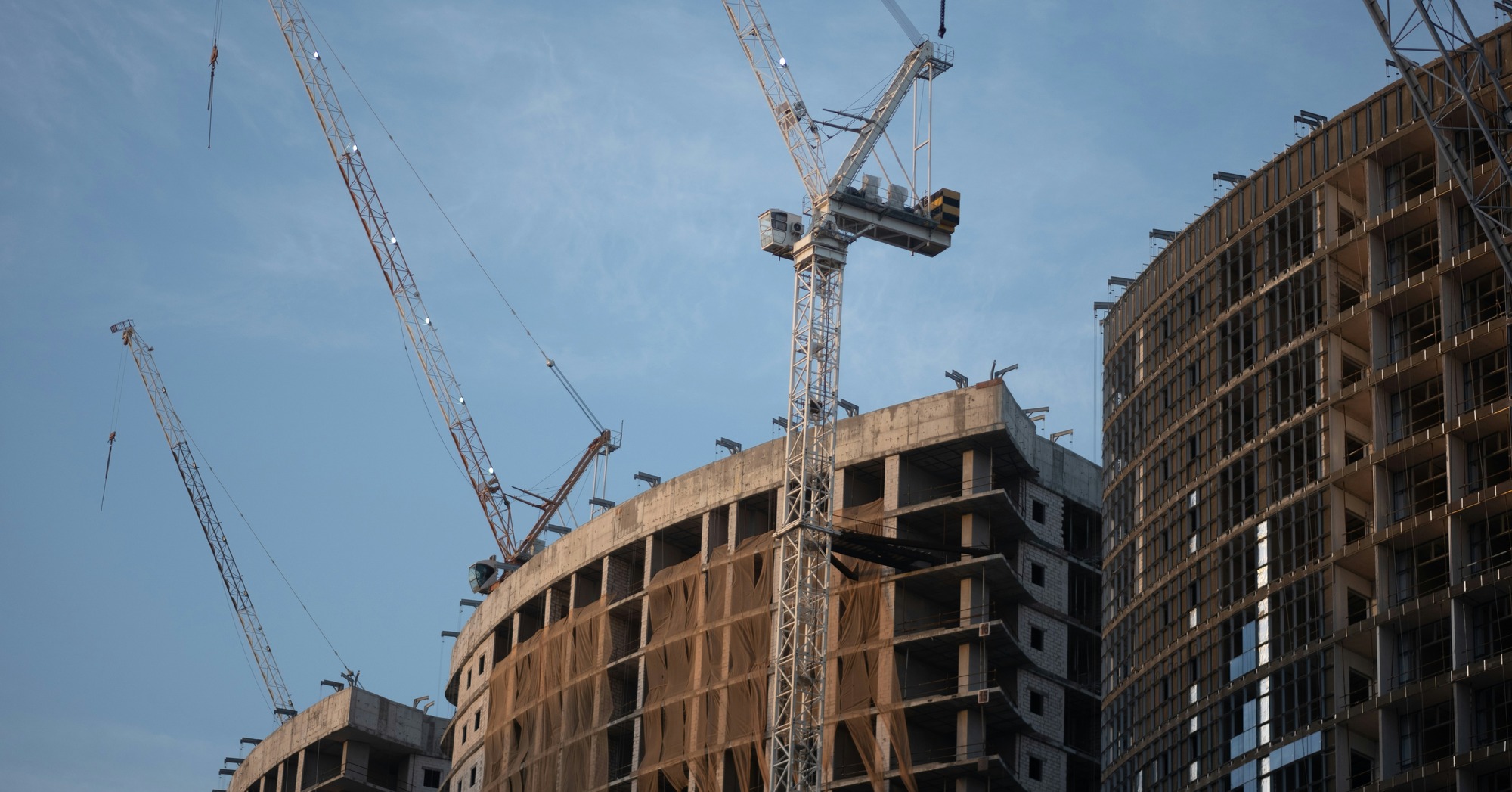
In high-density condo markets, future supply affects pricing power.
Buyers should understand:
- Number of active and pre-construction projects nearby
- Rental saturation levels
- Investor concentration
High future supply can limit short-term appreciation but may create long-term vibrancy.
Micro-Location Within the Neighbourhood

Even within the same neighbourhood, micro-location matters.
Factors include:
- Proximity to major roads
- Noise exposure
- Direct adjacency to other towers
- View corridors
- Street-level retail quality
Two buildings one block apart can trade at meaningfully different values over time.
The Buying Process
Buying a condo in Toronto follows a structured sequence. Understanding each phase reduces uncertainty and prevents costly missteps.
It Starts with the Right Professional
Buying a condo in Toronto isn’t just a transaction — it’s a strategy decision. The first move is choosing representation that’s aligned with your outcome, not the seller’s.
A strong buyer agent does four things consistently:
- Clarifies your objectives before you tour anything (lifestyle, timeline, risk tolerance, budget ceiling).
- Filters the market intelligently so you don’t waste weekends on the wrong buildings, wrong layouts, or misleading pricing.
- Protects you from hidden risk by flagging red flags early — building quality, management issues, reserve fund concerns, fee trajectory, and resale liquidity.
- Negotiates with data using comparables, inventory context, and offer structure — not guesswork.
Toronto condos vary wildly building to building. The right professional helps you avoid expensive mistakes, move decisively when the right opportunity appears, and stay disciplined when the wrong one looks tempting.
If you want a smooth purchase, Step 1 is simple: choose representation that’s structured, analytical, and accountable.
Know Your Budget & Financing Options
Before you look at a single property, you need financial clarity.
Toronto’s condo market moves quickly. Buyers who understand their numbers move confidently. Buyers who don’t hesitate — and lose.
This step includes three core components:
Secure a Mortgage Pre-Approval
A proper pre-approval confirms:
- Your maximum purchase price
- Your borrowing limit
- Your interest rate hold
- Your required down payment
It also strengthens your negotiating position. In competitive situations, sellers favour buyers who are financially prepared.
Pre-approval is not optional. It is foundational.
Understand Your True Monthly Carrying Cost
Affordability is not just about purchase price.
You must account for:
- Mortgage payment
- Property taxes
- Condo maintenance fees
- Insurance
A condo that fits your approval limit may still feel uncomfortable monthly. Financial stress erodes the ownership experience.
Budget for stability, not stretch.
Confirm Your Down Payment Structure
In Canada:
- 5% is required on the first $500,000
- 10% on the portion between $500,000 and $1.5 million
- 20% is mandatory on any purchase over $1.5 million
Understanding this structure early prevents surprises when drafting an offer.
Financial preparation removes emotion from decision-making. When the right property appears, you should already know:
- What you can afford
- What you’re comfortable paying
- What your walk-away number is
Clarity here creates leverage later.
Let’s Start Looking
You’ve shared your goals. Financing is clear. Now the search begins.
This stage works best when it’s a true partnership.
Be Open-Minded
You may start looking for one specific type of condo — but market conditions may present stronger opportunities elsewhere.
Sometimes the better long-term decision isn’t the one you initially imagined.
Flexibility creates options.
See Beyond First Impressions
Sellers invest heavily in staging. Properties will look polished.
Our role is to evaluate:
- Layout functionality
- Structural limitations
- Long-term resale appeal
- True market value
Décor is temporary. Fundamentals are permanent.
Consider Alternative Locations
You may prefer one neighbourhood, but pricing and inventory may suggest better value nearby.
Strong representation means evaluating opportunity objectively — not emotionally.
Understand Viewing Protocol
Many properties require advance notice, especially when tenanted.
During showings:
- Be respectful of time (initial visits are typically brief)
- Remove shoes
- No photos without permission
- No pets
Professionalism protects relationships and reputation.
Make Your Offer
When buying a Toronto condo, offer strategy is dictated by three variables:
- Market conditions
- Building performance
- Seller motivation
Price is only one lever.
Single Offer vs Multiple Offers
Single Offer Situation
We negotiate based on recent comparables, days on market, and current building competition. Structure and timing matter as much as price.
Multiple Offer Situation
In competitive buildings, list prices are often positioned low to attract attention. In this environment, preparation is critical — deposit readiness, clear financing, and decisive positioning.
Emotion loses bidding wars. Preparation wins them.
Key Offer Components
Every condo offer includes strategic decisions around:
- Price — grounded in recent sold data within the building
- Deposit — typically 5% of purchase price, demonstrating strength
- Closing Date — aligned with both buyer and seller timelines
- Conditions — financing and status certificate review are most common
- Irrevocability — the timeframe the seller has to respond
Each element affects leverage.
Condo-Specific Considerations
Before submitting, we evaluate:
- Recent sales in the building
- Current competing inventory
- Maintenance fee per square foot
- Status certificate timing
- Any known special assessments
In condos, building health directly affects value.
Offer strategy must account for that.
The objective in Step 4 is simple:
Structure an offer that protects you while positioning you competitively within the building.
Not aggressive for the sake of it. Strategic for the outcome.
Step 5 next — where we tighten risk and move to firm.
Satisfy the Conditions of the Offer
Once your offer is accepted, the focus shifts from negotiation to protection.
This is the due diligence phase — and in condo purchases, it’s critical.
Review the Status Certificate
For condos, the status certificate is the single most important document in the transaction.
It confirms:
- Reserve fund balance
- Financial health of the corporation
- Pending litigation
- Arrears within the building
- Any special assessments
- Rules and restrictions
Your lawyer reviews this in detail. If issues surface, you have the opportunity to reassess before proceeding.
This protects you from inheriting hidden liabilities.
Confirm Financing
Even with a pre-approval, the lender must approve:
- The specific property
- The condo corporation
- The final purchase price
This is where the mortgage becomes fully committed.

Waive Conditions & Go Firm
Once financing is approved and the status certificate is satisfactory, conditions are formally waived.
At this point, the agreement becomes firm and binding.
Your deposit is secured, and the transaction proceeds to closing.
Prepare for Closing
From here:
- Your lawyer prepares closing documents
- Insurance is arranged
- Funds are transferred
- Final adjustments are calculated
On closing day, title transfers and keys are released.
Market Timing & Strategy
One of the most common questions buyers ask is whether now is the “right time” to buy a condo in Toronto. The reality is that markets move in cycles, and attempting to perfectly time those cycles is rarely successful.
What matters more is understanding how market conditions affect negotiating leverage and opportunity.
How Market Cycles Affect Buyers
Real estate markets generally move between periods of higher demand and periods of higher supply. When inventory is low and many buyers are competing for limited listings, prices tend to move upward quickly. When inventory expands and fewer buyers are active, negotiating power shifts toward buyers.
In a stronger buyer environment, properties typically remain on the market longer and sellers may be more flexible on price, conditions, and closing timelines. In a highly competitive environment, buyers often need to move quickly and structure their offers carefully in order to succeed.
Understanding where the market sits in that cycle helps buyers determine how aggressive or patient their strategy should be.
The Role of Interest Rates
Interest rates play a major role in buyer activity because they directly affect affordability.
When borrowing costs rise, purchasing power declines and some buyers step back from the market. This often slows sales activity and can create more negotiating opportunities for those who remain active.
When rates decline, demand typically increases quickly as buyers regain borrowing capacity. Increased demand can lead to stronger competition and faster price movement.
Because of this relationship, many buyers choose to act when competition is lower rather than waiting for more favourable headlines.

Why Building-Level Timing Matters
In the condo market, timing isn’t determined only by the broader Toronto market. Conditions within a specific building can create opportunities that the wider market doesn’t reflect.
If several comparable units become available at the same time, sellers may compete with each other for buyers. When supply inside a building is limited, strong units can attract significant interest even if the broader market is quieter.
Understanding the inventory, recent sales, and pricing trends within a building often provides more insight than looking at city-wide statistics alone.
Focus on Position, Not Prediction
The most reliable approach to buying real estate is focusing on financial position and long-term suitability rather than trying to predict short-term price movements.
If the property fits your budget, meets your lifestyle needs, and performs well compared to similar units in the building, the decision becomes much clearer.
Markets will always move up and down in the short term. Strong properties held over longer time horizons tend to benefit from that broader cycle.
Frequently Asked Questions
How much down payment do you need to buy a condo in Toronto?
In Canada, the minimum down payment depends on the purchase price. Buyers must provide 5% on the first $500,000 and 10% on the portion between $500,000 and $1.5 million. If the purchase price is $1.5 million or higher, the minimum down payment becomes 20% of the entire purchase price, and mortgage insurance is no longer available.
Can you buy a condo in Toronto with 5% down?
Yes, buyers can purchase a condo in Toronto with as little as 5% down, provided the purchase price is under $500,000. For properties between $500,000 and $1.5 million, buyers must combine 5% on the first $500,000 and 10% on the remaining amount. Mortgages with less than 20% down require mortgage insurance.
What credit score do you need to buy a condo in Ontario?
Most lenders prefer buyers to have a credit score of at least 680 to qualify for the best mortgage rates. Buyers with scores between 650 and 680 may still qualify depending on income, debt levels, and employment stability. Lower scores can limit mortgage options or increase borrowing costs.
How much are closing costs when buying a condo in Toronto?
Closing costs typically range from 2% to 5% of the purchase price. The largest expense is land transfer tax, which Toronto buyers pay at both the provincial and municipal level. Additional costs include legal fees, title insurance, and adjustments for property taxes or condo fees.
What are typical condo maintenance fees in Toronto?
Condo maintenance fees vary depending on building age, amenities, and unit size. Many Toronto condos fall between $0.60 and $1.00 per square foot per month, though some luxury or older buildings may be higher. These fees generally cover building maintenance, insurance, common areas, and contributions to the reserve fund.
What is a status certificate and why does it matter?
A status certificate is a legal document that outlines the financial health of the condo corporation. It includes details about the reserve fund, building finances, legal issues, and whether the unit owner owes fees. Reviewing the status certificate helps buyers identify potential risks before completing the purchase.
How long does it take to buy a condo in Toronto?
The process typically takes 30 to 90 days depending on market conditions and buyer readiness. The timeline includes searching for properties, submitting an offer, satisfying any conditions such as financing or status certificate review, and completing the legal closing process.
Are Toronto condos a good investment?
Toronto condos have historically performed well due to population growth, limited housing supply, and strong rental demand. While prices can fluctuate in the short term, many buyers view condos as a long-term asset that benefits from urban demand and infrastructure growth.
Is it better to buy a condo or rent in Toronto?
The decision depends on financial stability, time horizon, and lifestyle goals. Renting offers flexibility and lower upfront costs, while buying allows owners to build equity and benefit from potential price appreciation. Buyers planning to stay in Toronto long term often view ownership as a way to stabilize housing costs.
What should you look for when buying a Toronto condo building?
A strong condo building typically has a healthy reserve fund, reasonable maintenance fees, professional property management, and a good resale history. Buyers should also consider building age, amenities, rental policies, and how many investor-owned units exist within the building.
Key Takeaways
Buying a condo in Toronto involves more than choosing a property — it requires understanding financing, building quality, market conditions, and long-term resale value. The following principles summarize the most important ideas from this guide.
- Know your financial position first. Down payment structure, mortgage qualification, and total monthly carrying costs determine what you can comfortably afford.
- Building quality matters as much as the unit itself. Reserve fund health, maintenance fee trends, and management quality all influence long-term value.
- Review the status certificate carefully. This document reveals the financial health of the condo corporation and helps identify potential risks before you commit.
- Market conditions influence negotiation strategy. Inventory levels, interest rates, and competition affect how aggressively buyers need to position offers.
- Strong properties outperform over time. Choosing the right building, location, and layout often matters more than trying to perfectly time the market.
This guide is designed to give Toronto condo buyers a clear framework so every decision — from financing to offer strategy — is informed and deliberate.
Your next move
Understand where you stand in the Toronto market.
Get clarity on your position and what your next move should be. Tell us what you're weighing and we'll come back with a straight answer.
Book a call with Jeremy