Most people wait too long. That's the honest truth about outgrowing your condo in Toronto — the friction compounds for months, sometimes years, before it becomes undeniable. By the time it's obvious, the market has moved, the relationship has absorbed more than it should have, and the emotional cost of staying has quietly become higher than the financial cost of leaving.
You've outgrown your Toronto condo. You just might not have named it yet.
Sign 1: You've Rearranged the Furniture Three Times and It Still Doesn't Work
The first attempt made sense. You came home with a new sectional, measured twice, moved the coffee table, shifted the TV. It looked better for about a week.
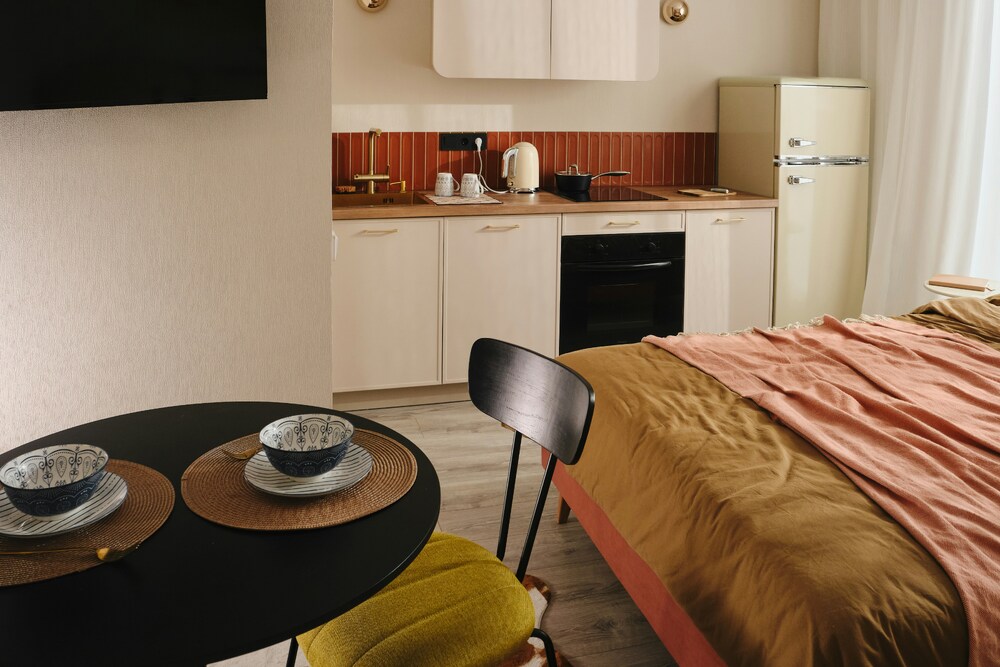
Then you did it again. New layout. Same result. The dining table is either blocking the kitchen or blocking you from walking. The desk is in the bedroom because there's nowhere else for it, which means the bedroom is now also the office, which means it's never really either. You've tried every configuration and landed in the same place — the space is the problem, not the arrangement.
In a 550-square-foot Liberty Village one-bedroom, the math isn’t going to work. The square footage doesn't support the life you're actually living right now. That's not a furniture problem. That's a real estate problem.
Sign 2: You're Finding Reasons to Leave
You've started working from a café on Ossington more than you'd admit. Not because the coffee is better — though it is — but because you can spread out, put on headphones, and actually think. The condo doesn't give you that anymore.
And hosting. You used to host. Now you suggest meeting at a restaurant, partly because it's easier, partly because you know what it feels like to have eight people crammed into your King West place with nowhere to put their coats except your bed, and the kitchen a three-foot-wide strip where two people can't pass each other without turning sideways. So you default to a reservation and tell yourself it's more fun anyway.

It's not more fun. It's avoidance. And somewhere underneath it, you know that.
When you start organizing your life around the limitations of your home instead of living freely inside it, you've already moved out in your head. Your body just hasn't caught up.
Sign 3: The Relationship Is Feeling It
This one is harder to say out loud, and it affects people more than they like to admit it.
Couples who live in small condos don't fight about nothing. They fight about dishes left in the sink because there's no counter space, about one person being on a call while the other is trying to decompress in the only room there is, about never being able to just be in different parts of the home at the same time. The space doesn't allow for any drift. You're always in each other's field.
You love your S.O., but being in each others space 24/7 can wear out even the strongest couples.

To be clear, it’s not the relationship, it’s the square footage. And it doesn't improve with better communication or a therapy session — it improves with a second room, a longer hallway, a door you can actually close.
I've seen couples who thought they were going through something, when really they were just living in too little space for too long. The tension doesn't always mean you've grown apart. Sometimes it means your home needs to grow with your relationship.
Sign 4: You Went to a Housewarming and Felt Something Shift
Your friend bought a place in Leslieville. Semi-detached, deep lot, second floor with an actual landing. You showed up with wine and stood in the kitchen — a real kitchen, one where three people could move around without choreography — and you noticed something happening inside you.
It wasn't jealousy exactly. More like recognition. You looked at the backyard with the string lights and outdoor couch set up and thought: this is what it's supposed to feel like. You walked upstairs and saw the spare bedroom and the bathroom that didn't also serve as the laundry closet, and on the drive home you were quieter than usual.
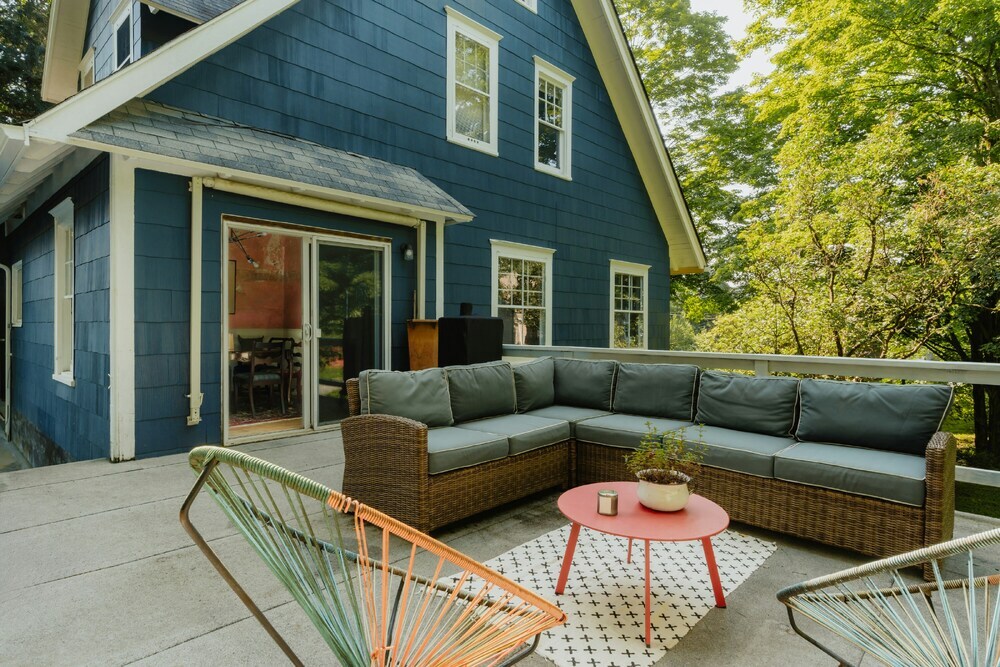
That shift is information. It's your nervous system telling you that the life you want and the home you're in no longer match. It doesn't happen all at once — it's subtle. But it's real, and it means something.
Don't dismiss it as envy or entitlement. Pay attention to it.
Sign 5: You've Started "Just Looking" at Listings
You told yourself it was curiosity. You opened an app at 11pm, filtered for two bedrooms, bumped the budget up to something that made your stomach tighten a little, and started scrolling. Just to see. Just to know what's out there.
You saved a few. You looked at them again the next day. Maybe you pulled up Google Maps to check the walk to work, or zoomed into a photo to see if the kitchen backsplash was as nice as it looked.

That's not window shopping. That's reconnaissance. The part of you that has already decided is doing the math quietly, building the case, collecting evidence. The rest of you is just catching up.
This is the sign I trust most, because it's deliberate. Your brain is doing the work of a move you haven't consciously committed to yet.
The Trade-Off Nobody Talks About
Here's what people get wrong: outgrowing your condo doesn't automatically mean buying a house. Not in Toronto, not at current price points.
Your next move might be a larger condo — 900 square feet in the right building changes everything. It might be a loft in Corktown or a character space in the Junction that gives you the layout and the feeling without the freehold maintenance. It might be a different neighbourhood entirely — leaving a King West one-bedroom for a two-bedroom in Riverdale or Roncesvalles can deliver more square footage, better walkability, and a lower price point than you'd expect.
Moving up doesn't mean moving out of the city or buying the biggest thing you can afford. Sometimes it just means buying the right thing — a home that actually fits the way you live, work, and host. And figuring that out takes a conversation about your life, not just your budget.
The Condo vs. Loft vs. Freehold in Toronto: How to Actually Decide post breaks down that trade-off in detail if you want to start there.
What to Do When You Recognize Yourself Here
The friction you're feeling doesn't go away on its own. The relationship absorbs it. The work suffers for it. The life you want gets deferred, month after month, until staying feels like the normal thing and moving feels like a massive undertaking you'll get to eventually.
Most people wait too long. I don't sugarcoat that.
The Shift Method is the process I built specifically for this situation — for people who know they need to move but don't know where to start, who aren't sure what they can actually afford, who are afraid to make a move in both directions at once. It's not complicated. It's a clear path: know your numbers, know your market, know your next home type, and move in the right sequence.
If you recognize yourself in any of these five signs, the smartest thing you can do right now is sit down and map it out before the pressure makes the decision for you.
Book a strategy call here — no pitch, no obligation. Just a real conversation about whether it's time to move and what that actually looks like for you.