How to Actually Decide What's Right for Your Next Move
You've outgrown your condo. Maybe you've known it for a while — the layout that made sense when it was just you feels cramped now that there's a partner, a dog, a home office, or simply a different version of yourself that needs more room to live. You're not looking to "get on the property ladder." You already own. You're trying to figure out what the next step actually looks like.
And here's where most people get stuck: they start browsing listings before they've answered the more important question. Should you upgrade within the condo world — more square footage, better building, better neighbourhood? Should you look at a loft? Or is it time to go freehold altogether — a semi, a townhouse, a detached? The answer isn't obvious, and it's not the same for everyone. It depends on how you live, what you value, and what the next five years actually look like for you.

This article is not going to tell you which property type is "best." It's going to give you the real comparison — what each option actually delivers, where each one falls short, and how to think through the decision clearly so you're not making a $1.2M+ choice based on a weekend of browsing.
The Problem With How Most People Make This Decision
Here's what usually happens. You hit a tipping point — a relationship change, a new job — and suddenly you're "looking." You start with condos because that's familiar, then your agent shows you a loft and you fall in love with the ceilings, then someone mentions you could actually afford a semi in Leslieville and now you're three property types deep with no framework for comparing them.
The issue isn't lack of options. It's that a bigger condo, a hard loft, and a freehold semi are fundamentally different things. They serve different lives. The trade-offs aren't just financial — they're spatial, social, logistical, and emotional. And in Toronto, where the price gaps between property types can range from meaningful to massive depending on the neighbourhood, getting this decision right matters enormously.
What Each Property Type Actually Is (In Plain Terms)
Before the trade-offs, let's be precise about what we're comparing.
Bigger or better condo: A step up within the stacked residential world. More square footage, a better floor plan, a building with stronger management and financials, a more liveable neighbourhood. Still condominium tenure — you own your unit, share the building.

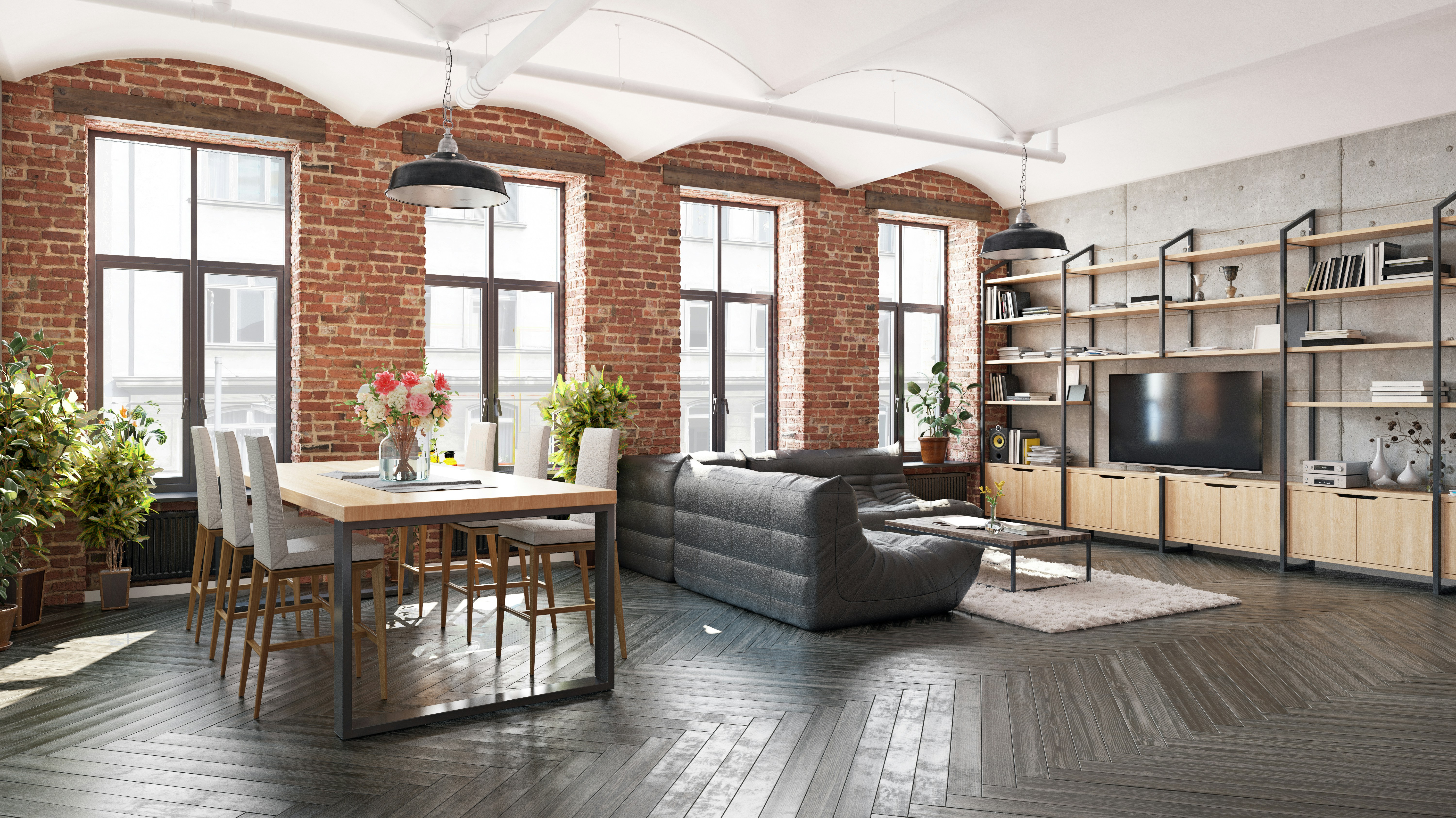
Loft: A looser category, but in Toronto it usually means one of two things. A hard loft is a converted industrial building — brick, concrete, exposed ducts, high ceilings, open plan, often in former warehouse or factory space. A soft loft is new construction designed to evoke that aesthetic — higher ceilings than a standard condo, more of an urban feel — but without the bones of an actual conversion. These are still condominiums. You have a condo corporation, monthly fees, and the same ownership structure as a standard condo.
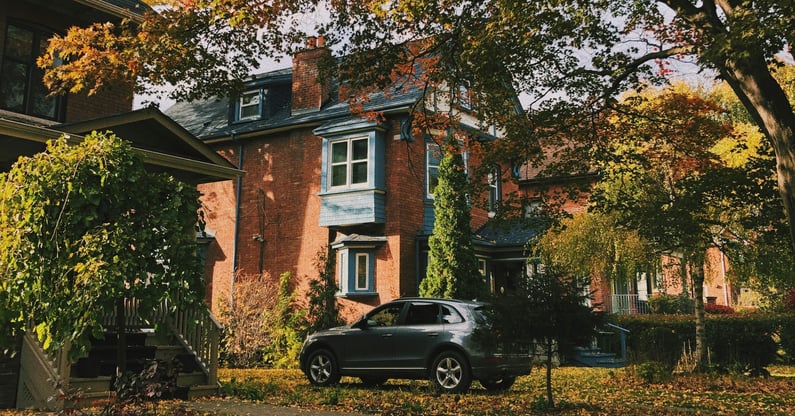
Freehold: You own the building and the land it sits on. No condo corporation. No monthly maintenance fees. No board, no status certificate, no reserve fund review. The trade-off is that you own everything — including the furnace, the roof, and whatever the previous owners did to the basement. In Toronto, freehold typically means a detached, semi-detached, or freehold townhouse (distinct from a condo townhouse, which is back in condo territory).
The Trade-Offs: What You're Actually Choosing Between
Space and Layout
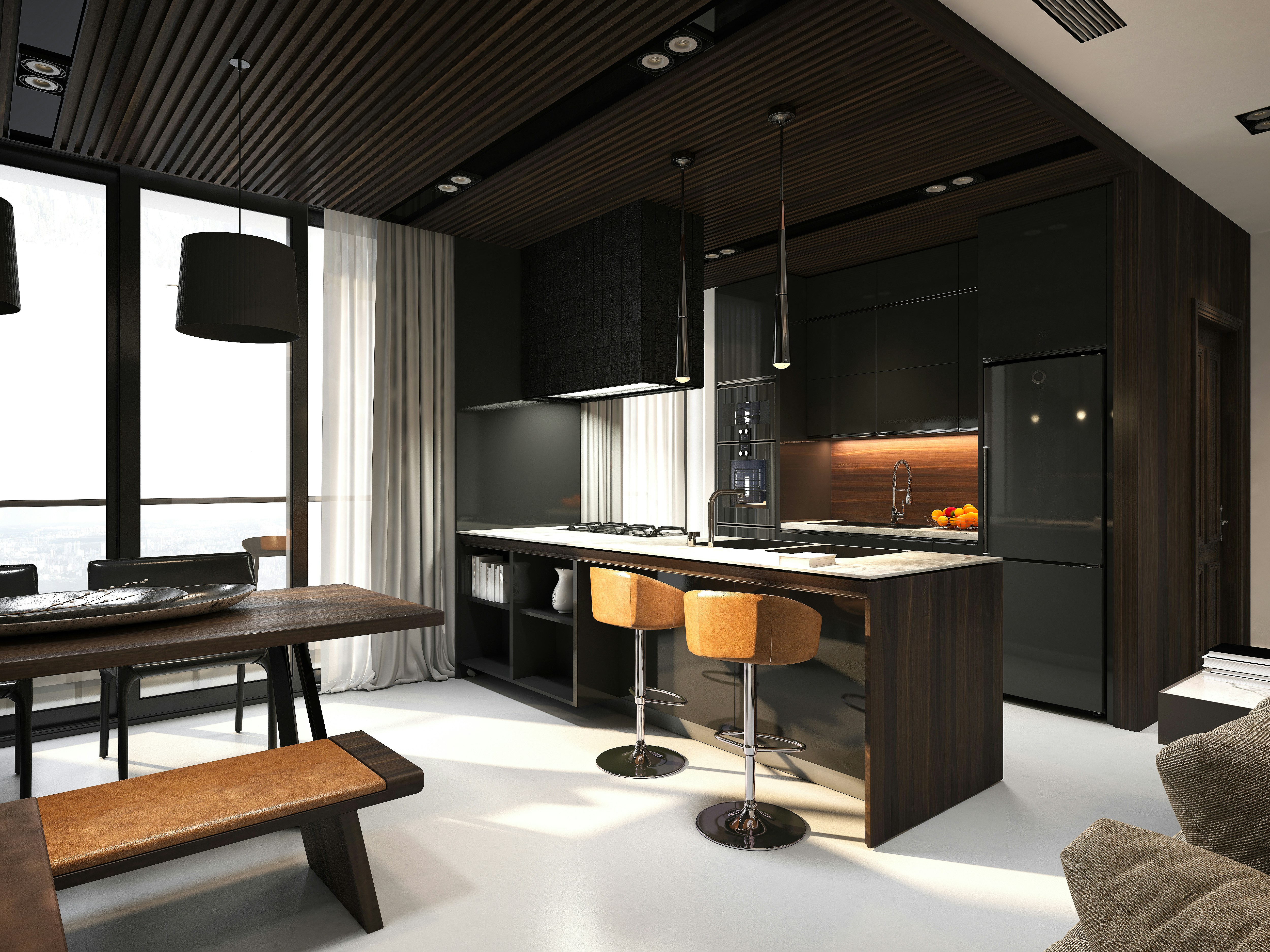
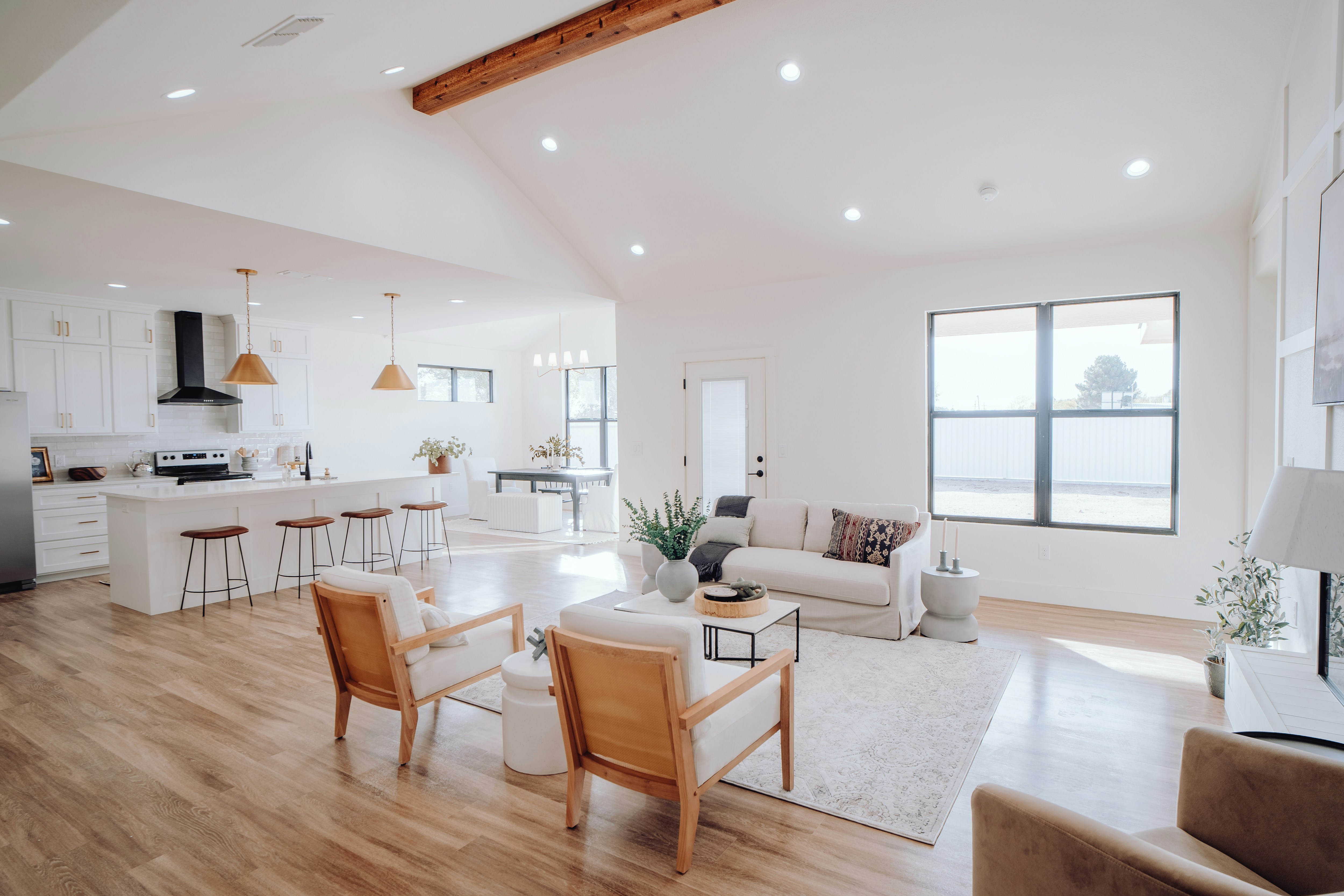
Bigger condo: You can get more square footage, but condo layouts in Toronto — particularly in newer builds — are notoriously efficient to the point of feeling tight. A "larger" two-bedroom at 900 sq ft is still a two-bedroom at 900 sq ft. The real upgrade here is often layout quality and ceiling height, not raw square footage.
Loft: Hard lofts tend to offer genuine spatial generosity — volume, openness, light. The open-plan format suits some people perfectly and frustrates others. If you need defined rooms, a bedroom door that closes, a place where one person can be on a call while the other watches TV, an open-concept loft can work against you. They're designed for a specific kind of life.
Freehold: Vertical square footage. Multiple floors. A front door. A yard or even just a backyard, however small. Room that is genuinely separate — a bedroom floor, a main floor, a basement. For people who want space that functions like a home rather than a well-designed apartment, freehold delivers something condos and lofts simply cannot.
Monthly Costs
Bigger condo: Maintenance fees are the reality. In a newer building, expect somewhere in the range of $0.65–$0.90 per square foot per month, often higher in older or amenity-heavy buildings. On a 1,000 sq ft unit, that's $650–$900/month before hydro. You're also exposed to special assessments if the building is poorly managed.
Loft: Hard lofts in older conversions can carry higher fees — more complex mechanical systems, older infrastructure, smaller condo corporations spread across fewer units. Soft lofts in newer builds run similarly to standard condos. Either way, fees are a fixed monthly cost you can't eliminate.
Freehold: No maintenance fees. Instead, you carry operating costs directly — property taxes, utilities, home insurance, maintenance and repair. The math varies, but the difference is that your money is going into your own asset, not a building's shared operating budget. Over 10 years, that's a meaningful difference in wealth accumulation.
Ownership and Control
This one matters more than people think. In a condo, the corporation makes decisions that affect your daily life: what gets renovated, what the rules are around short-term rentals, pets, noise, parking. You have a vote at the AGM, but you're still subject to the collective.
In a freehold, you own the dirt. You decide when to renovate, what to renovate, what colour to paint the front door. You're not waiting on a board. You're not reviewing a status certificate to understand what liabilities you're inheriting. That autonomy has real value.
Neighbourhood Access
This is where Toronto's geography becomes the deciding variable. The neighbourhoods where hard lofts are concentrated — King West, Liberty Village, Leslieville, Queen West, Distillery District — are different places to live than the streets where freehold semis and detacheds are affordable at the move-up price point. Those tend to be further east (East End, Riverdale, Danforth Village), further west (The Junction, Bloor West Village, Swansea), or in pockets like Roncesvalles, Dufferin Grove, or Corso Italia.
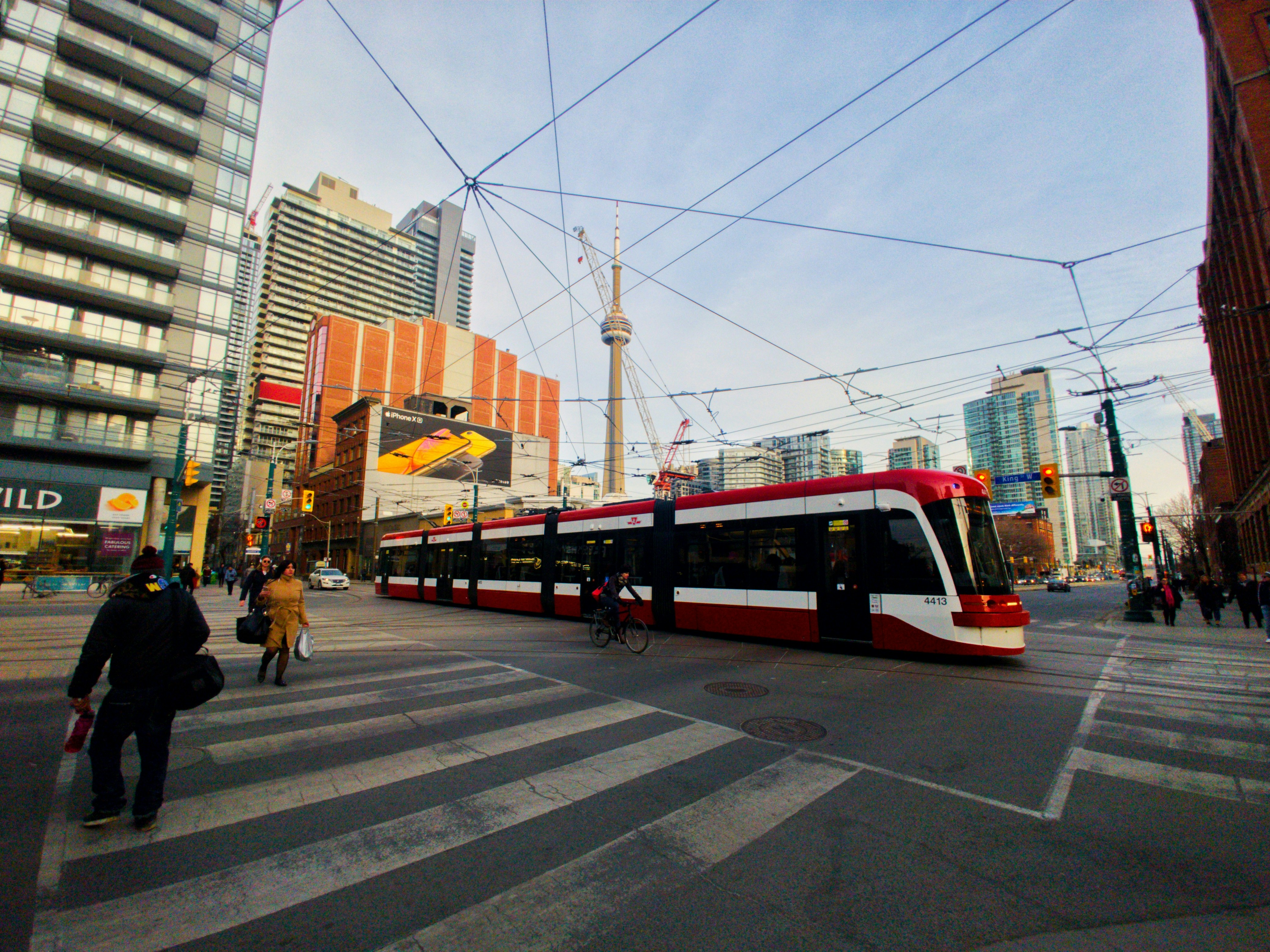
The question isn't just "which property type?" — it's "where do I actually want to live, and what's available at my budget in that neighbourhood?"
What Actually Matters: Three Questions to Answer First
You can read all the trade-offs in the world and still not land on a decision. What cuts through the noise is getting honest about three things:
1. How do you actually live at home? Are you someone who spends evenings out and uses home mainly to sleep and decompress? Or are you someone who cooks, hosts, works from home, and needs the physical environment to function? Open-concept lofts are spectacular for certain lives and frustrating for others. Freehold space is wonderful if you actually use it.
2. What's your five-year picture? If there's a real possibility of kids in three years, the calculus changes — both in terms of space needs and in terms of resale. If you're planning to stay put for ten-plus years, freehold tends to build equity more predictably. If your life might shift — job, relationship, city — a well-located condo or loft in a desirable neighbourhood can offer more flexibility.
3. What's the budget — honestly? Not the approval number. The number that lets you live the way you want without financial stress. Freehold in the 416 at the move-up level means $1.1M–$1.6M for a good semi in a desirable neighbourhood. If stretching to get there means cutting corners on other parts of life, a better condo or loft at $750K–$950K might actually serve you better.
The Checklist: How to Set Up Your Decision
Before you start touring properties, work through these:
- Space audit: List exactly what you need — not what you want, what you need. Home office? Second bedroom? Outdoor space? Storage? Private entrance?
- Neighbourhood priority: Write down the three neighbourhoods where you'd be genuinely happy living. Then research what your budget actually buys in each.
- Fee math: If you're comparing a condo or loft, calculate total monthly carrying cost including fees. Compare to freehold equivalent including realistic maintenance costs.
- Tenure clarity: Do you understand what you're getting and giving up with condo tenure versus freehold? Both are legitimate — but they're different ownership experiences.
- Timeline honesty: How long do you plan to own this property? That affects the type, the neighbourhood, and the building you choose.
- Life scenario check: What's the realistic picture in 2, 5, and 10 years? Does the property type you're considering still work in that scenario?
The Right Answer Is the One That Fits Your Life
There's no universally correct answer to condo vs. loft vs. freehold. What there is: a decision that fits your life, your budget, and where you actually want to be in five years — and a decision that doesn't. Most people who end up frustrated with a move-up purchase didn't make a bad financial decision. They made a decision without a clear framework.

Toronto is an expensive, nuanced market. There are $900,000 hard lofts in Leslieville that are the right answer for some buyers, and $1.3M semis in Roncesvalles that are the right answer for others. A bigger condo in a well-managed building in a walkable neighbourhood can be an excellent long-term hold. The difference between a good move and a great one usually comes down to whether you've done the thinking before the searching.
Ready to Work Through This?
If you're at the point where you know you need to move but you're not sure which direction makes the most sense — book a move-up strategy call. We'll walk through which property type actually fits your lifestyle, budget, and next five years. No pressure, no pitch. Just a clear conversation about what makes sense for you.
Related reading: How to Buy or Sell a King West Condo in 2026.